
Bearings vs. Humans: Who Handles Stress Better?
Let's be honest—comparing humans to bearings sounds a bit unfair. One is a highly evolved biological system capable of emotion, creativity, and binge-watching entire seasons in one night. The other? A precision-engineered component whose life goal is to spin quietly and not fail.
And yet… when it comes to handling stress, the competition might be closer than you think.
Because in both worlds—mechanical and human—stress is inevitable. It builds, it accumulates, and if not handled properly, it leads to breakdowns. The difference is:
- Bearings fail with noise, heat, and catastrophic damage
- Humans fail with emails like “Per my last message…”
So let’s dive into this unusual showdown and answer a surprisingly serious question:
Who actually handles stress better—bearings or humans?
What “Stress” Really Means (Spoiler: It’s Not Just Your Boss)
Before we compare, we need to define stress—scientifically.
In the Bearing World:
Stress is force applied over an area. Bearings deal with:
- Radial load (force from the side)
- Axial load (force along the shaft)
- Combined load (because life is never simple)
These forces create internal pressure on rolling elements and raceways. Over time, this leads to fatigue, wear, and eventually failure.
In the Human World:
Stress is… everything:
- Deadlines
- Emails
- Meetings that could have been emails
- Coffee running out at 3 PM
Scientifically, human stress involves:
- Hormones like cortisol
- Nervous system activation
- Mental and physical strain
In short:
Bearings experience mechanical stress. Humans experience emotional + physical stress.
Already, humans are playing on “hard mode.”
Round 1: Radial Load vs. Side Pressure
Bearings: Built for Side Pressure
Radial load is force applied perpendicular to the shaft—like a heavy object pressing down on a rotating bearing.
Good news:
Bearings are literally designed for this.
For example:
- Deep groove ball bearings handle moderate radial loads effortlessly
- Cylindrical roller bearings? Even better—like the gym bros of the bearing world
They distribute the load evenly and keep rolling smoothly.
Humans: Side Pressure = Life Happens
Human version of radial load:
- Unexpected tasks
- Office politics
- “Quick favors” that take 3 hours
At first, we handle it well. But stack enough of these and suddenly:
- You forget why you opened a tab
- You’re staring at Excel like it betrayed you
Verdict:
Bearings win this round.
They don’t take side pressure personally.Bearings: Facing Pressure Head-On
Axial load pushes along the axis—like a force trying to shove the bearing straight through its housing.
Some bearings specialize in this:
- Thrust ball bearings
- Angular contact bearings
They’re designed to say:
Bring it on.”
Humans: Deadline Mode Activated
Axial load = direct pressure:
- Deadlines
- Client demands
- “We need this done ASAP”
This triggers:
- Increased heart rate
- Tunnel vision
- Questionable snack choices
Performance under pressure varies:
- Some people thrive (“Let’s go!”)
- Others… reorganize their desktop instead
Verdict:
Tie.
Both can handle direct pressure—but only if properly designed (or caffeinated).
Round 3: Combined Load vs. Modern Life
Bearings: The Ultimate Test
Combined load = radial + axial at the same time.
This is where things get serious:
- Misalignment
- Uneven force distribution
- Increased wear
Even the best bearings need:
- Precise installation
- Proper lubrication
- Correct selection
Humans: Welcome to 2026
Combined load for humans:
- Work deadlines
- Personal responsibilities
- Notifications every 3 seconds
Add in:
- Lack of sleep
- Too much screen time
And suddenly:
System overload.
Symptoms:
- Brain lag
- Emotional “overheating”
- Random existential thoughts at 2 AM
Verdict:
Bearings still have the edge.
At least they don’t check their phone mid-rotation.Bearings: No Lubrication = Disaster
Lubrication is everything:
- Reduces friction
- Dissipates heat
- Prevents wear
Without it:
Failure is not a possibility—it’s a certainty.
Types include:
- Grease
- Oil
- Solid lubricants
Humans: The Equivalent?
Human “lubrication” includes:
- Sleep
- Food
- Breaks
- Coffee (arguably the most important)
Without these:
- Productivity drops
- Errors increase
- Mood… deteriorates rapidly
Scientific truth:
Rest and recovery are not optional—they’re maintenance.
Verdict:
Draw.
Both systems fail without proper “lubrication.”
Fatigue Life: Bearings vs. Burnout
Bearings: Predictable Lifespan
Bearings have a calculated life:
- L10 life (90% will survive a given number of cycles)
Engineers can predict:
- When failure will likely occur
- How to extend lifespan
Humans: Good Luck Predicting
Human burnout is less predictable:
- Some people last years under pressure
- Others burn out quickly
Factors include:
- Environment
- Support system
- Personality
Symptoms:
- Exhaustion
- Reduced performance
- “I need a vacation” thoughts every Monday
Verdict:
Bearings win on predictability. Humans win on unpredictability.
Failure Modes: How Things Fall Apart
Bearings:
- Pitting → surface fatigue
- Spalling → material flaking
- Overheating → lubrication failure
- Seizure → complete stop
Humans:
- Procrastination → delayed output
- Irritability → “Why is everyone emailing me?”
- Burnout → system shutdown
- Career change thoughts → drastic redesign
Similar pattern:
Small issues → ignored → bigger issues → failure
Verdict:
Surprisingly similar. Slightly funnier on the human side.
Maintenance: The Real Game-Changer
Bearings:
Preventive maintenance includes:
- Regular lubrication
- Alignment checks
- Load control
Do this well, and bearings last much longer.
Humans:
Maintenance includes:
- Work-life balance
- Exercise
- Sleep
- Saying “no” sometimes
Neglect it, and:
Performance drops fast.
Verdict:
Tie. Maintenance matters more than strength.
Environment Matters More Than You Think
Bearings:
Harsh environments:
- Dust
- Moisture
- High temperatures
These accelerate failure dramatically.
Humans:
Also sensitive to environment:
- Toxic workplaces
- Poor communication
- Constant pressure
Even high performers struggle in bad environments.
Verdict:
Equal. Environment can break both.
So… Who Handles Stress Better?
Let’s summarize:
| Category | Winner |
|---|---|
| Side pressure (radial load) | Bearings |
| Direct pressure (axial load) | Tie |
| Combined stress | Bearings |
| Lubrication / recovery | Tie |
| Predictability | Bearings |
| Adaptability | Humans |
| Maintenance importance | Tie |
Final Answer:
Bearings handle stress better—technically.
But…Humans are far more adaptable.
Bearings:
- Follow physics
- Fail when limits are exceeded
Humans:
- Bend rules
- Adapt
- Occasionally survive on coffee and sheer willpower
The Real Lesson (For Buyers and Humans Alike)
This comparison isn’t just fun—it’s useful.
For Bearing Buyers:
- Don’t underestimate load conditions
- Invest in quality and proper lubrication
- Maintenance is cheaper than failure
For Humans:
- You’re not designed for constant overload
- Rest is not weakness—it’s engineering
- Even the best systems need downtime
FAQ Section
1. Why do bearings fail under stress?
Because repeated loads cause material fatigue, especially without proper lubrication or alignment.
2. Can better lubrication really extend bearing life?
Yes—significantly. It reduces friction, heat, and wear.
3. What’s the human equivalent of lubrication?
Sleep, nutrition, and recovery time.
4. Are expensive bearings worth it?
Usually yes—higher quality materials and precision mean longer life and lower total cost.
5. What’s the biggest mistake in both systems?
Ignoring early warning signs.
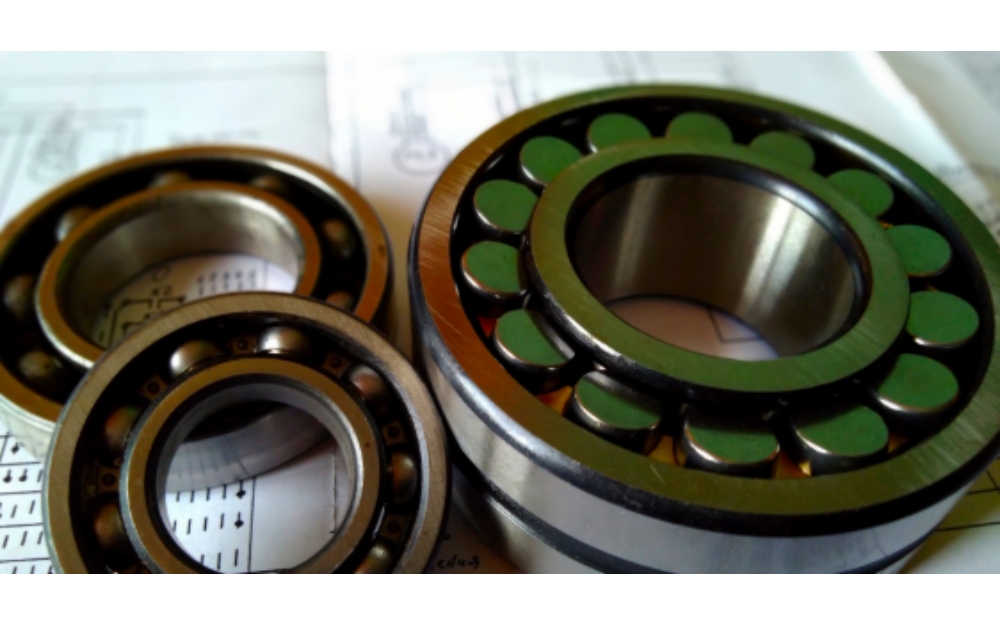 Bearings vs. Humans: Who Handles Stress Better?
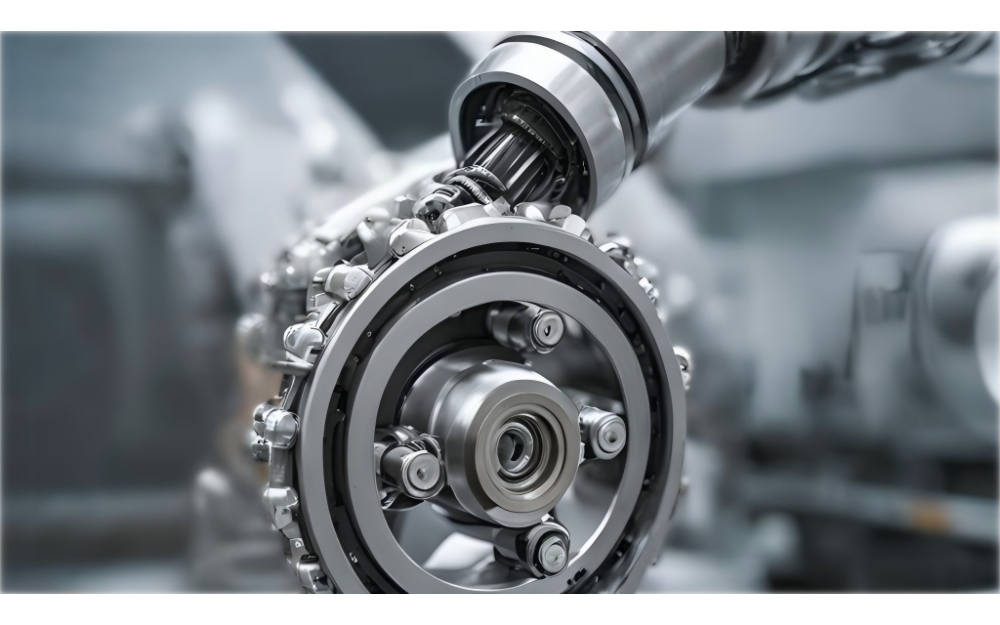 Why are high-end equipment manufacturers starting to redefine bearings?
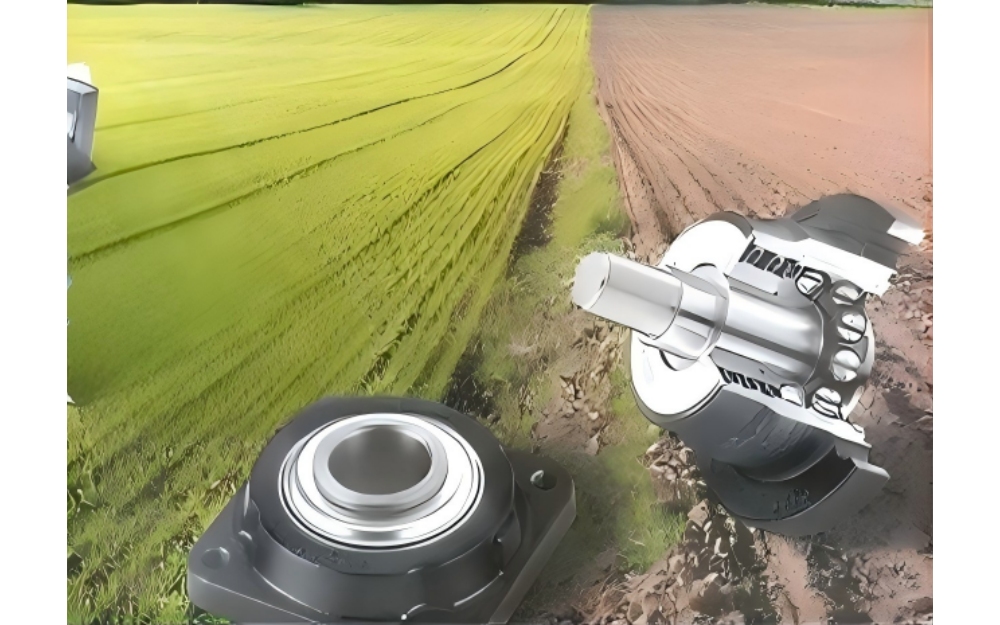 Croatia's agricultural machinery demand for these three types of bearings
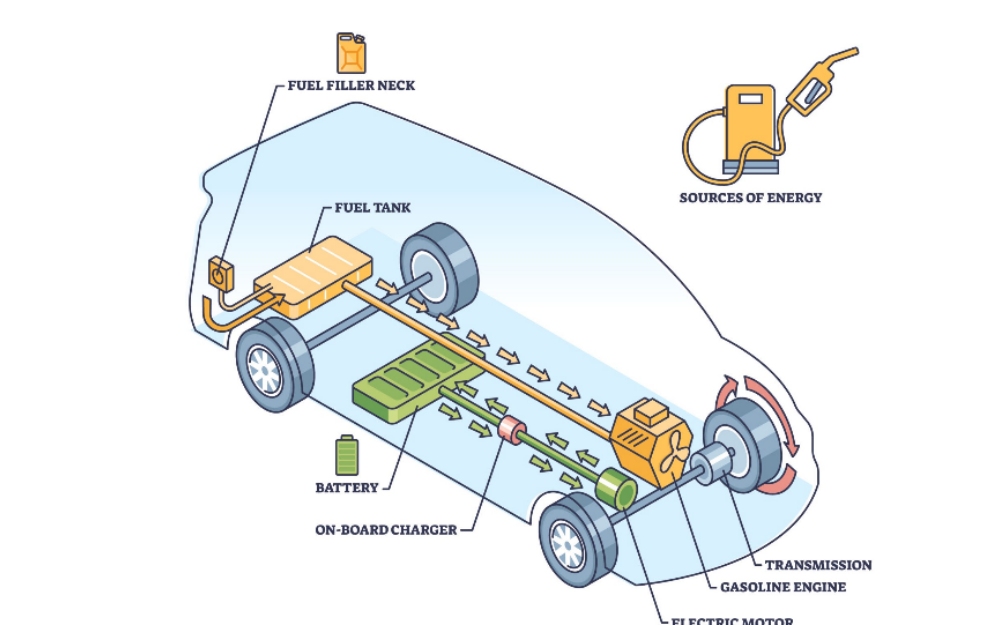 The bearing industry is quietly changing its focus